


На Земле есть необыкновенные дикие места, которые называются заповедниками. Природа в этих краях сохранилась практически в первозданном виде, такой, какой она существовала сотни и тысячи лет назад. И одно из таких уникальных мест – Березинский биосферный заповедник.
Основными задачами Березинского биосферного заповедника являются:
- обеспечение режима охраны и использования заповедной территории;
- сохранение ценных природных комплексов и объектов в заповеднике;
- проведение научных исследований;
- проведение комплексного мониторинга экосистем заповедника;
- экологическое просвещение и образование населения, экотуризм.
Природоохранное учреждение, которому в 2025 г. исполняется 100 лет - это старейшая в Беларуси охраняемая территория самого высокого ранга. Такой государственный природный заповедник в нашей стране только один. Это настоящий эталон естественной природы для европейского континента. В чём же ценность этих уникальных мест белорусской природы, вот уже многие десятилетия так бережно охраняемых не одним поколением людей?
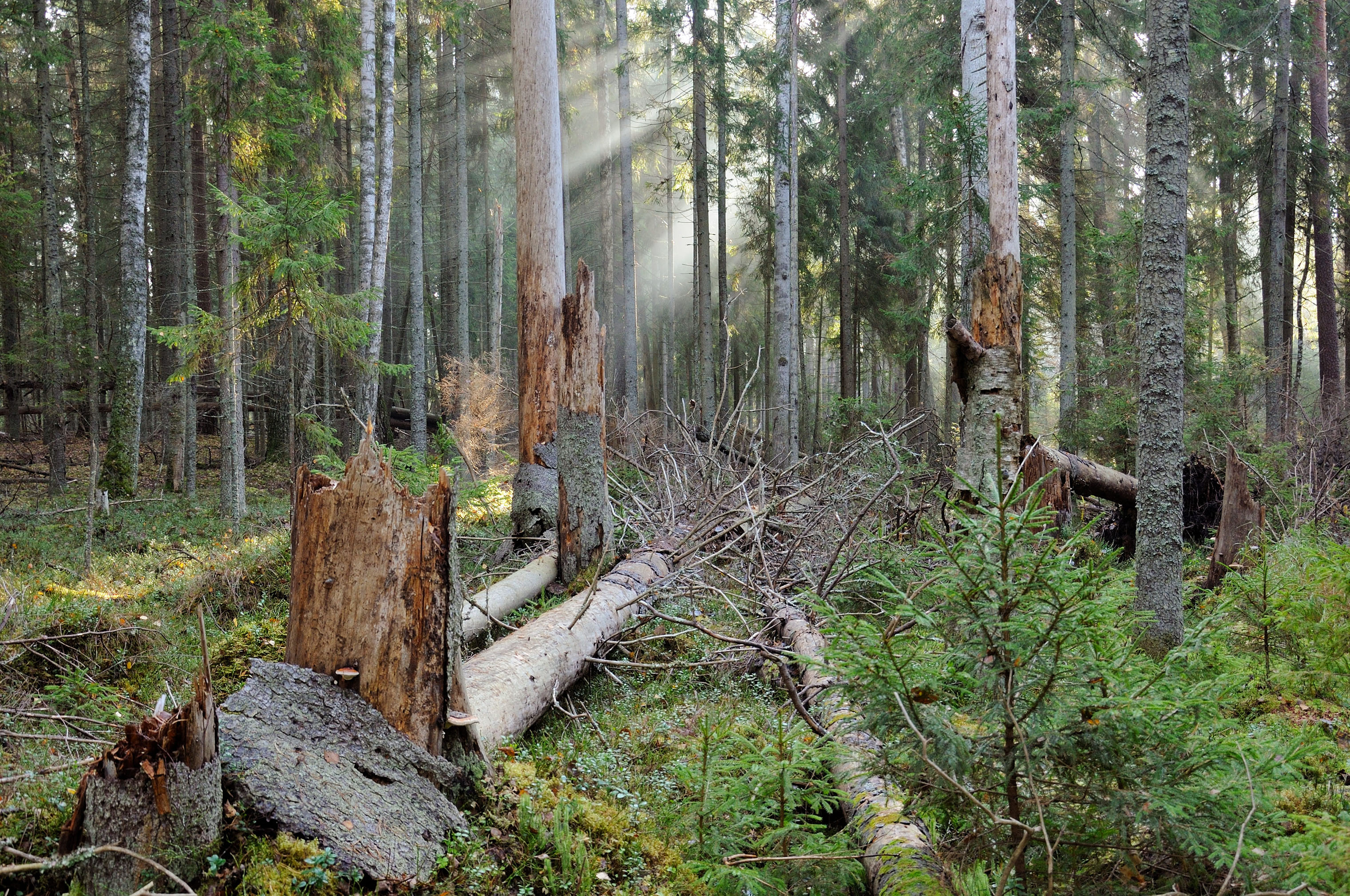
В первую очередь – это огромный сплошной массив нетронутых лесов. Их современный облик сформировался за многие десятки лет при минимальном хозяйственном воздействии. В заповеднике в основном хвойные леса (сосновые и еловые), березняки, черноольшаники, дубравы. Большую часть лесов заповедника занимают сосновые боры на песчаных холмах и грядах, под пологом которых земля укрыта моховым ковром. Это любимое место обитания красивейшей птицы наших лесов ‒ глухаря. Черноольховые и березовые леса на торфяных болотах ‒ наиболее уникальные природные комплексы Центральной Европы.
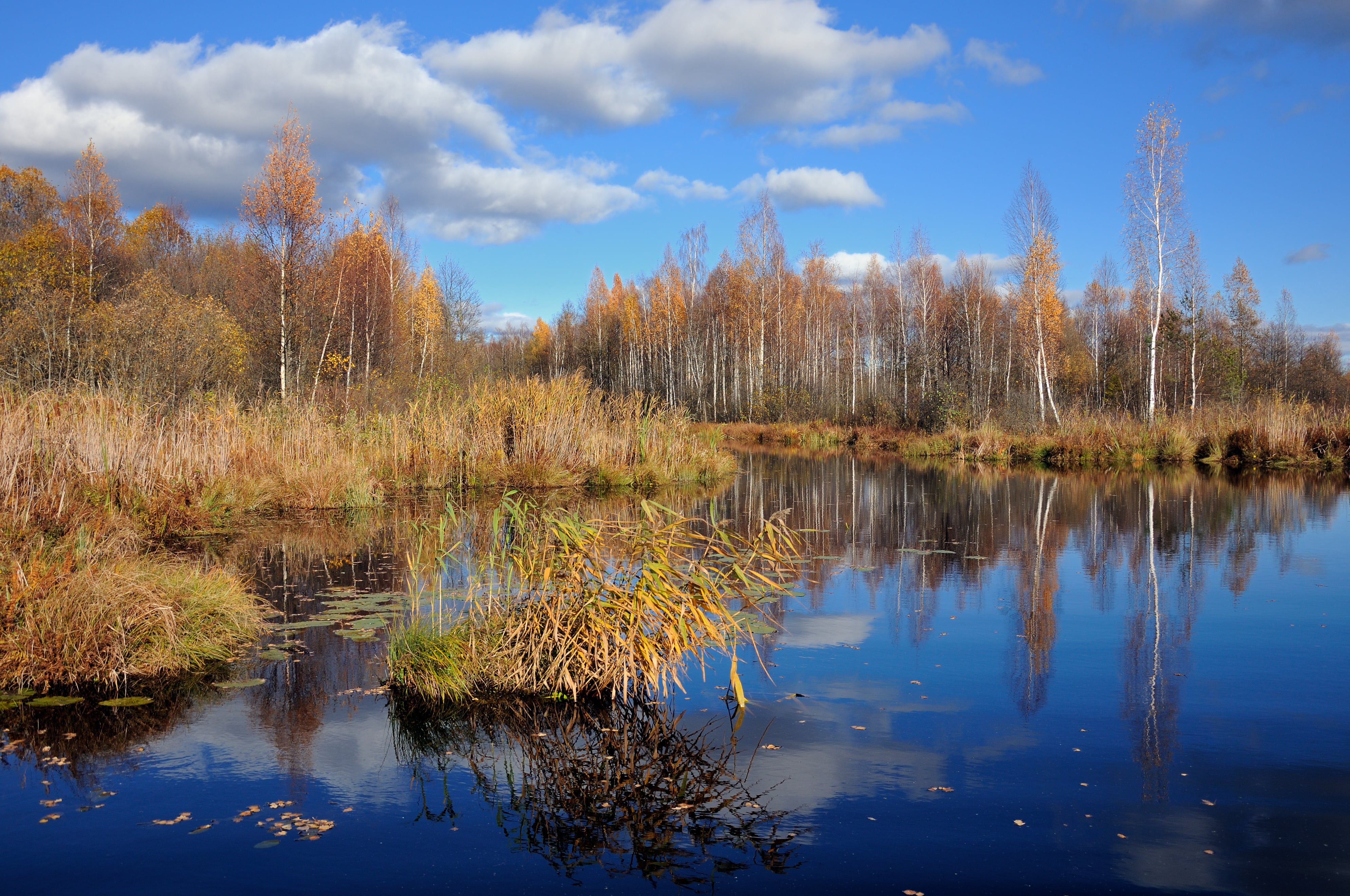
Неповторимы также и болота Березинского заповедника, занимающие более половины его территории. Почти два десятка малопосещаемых людьми болотных массивов очень разнообразны: верховые, переходные и низинные. Они связаны разветвленной сетью малых лесных ручьев и речек и образуют единый водно-болотный комплекс.
.jpg)
Не меньшую ценность, особенно для мигрирующих птиц, представляет и пойменный комплекс реки Березины, давшей название заповеднику. Она несет свои воды по территории заповедника на протяжении почти 100 км. Более 80 речек и ручьев, вытекающих из заповедных лесов и болот, питают Березину, которая полноводна почти круглый год. Русло реки извилистое с бессчетными поворотами и тихими заводями.
.jpg)
Поэтому у Березинского столько международных статусов и наград. Так, он включен во всемирную сеть биосферных резерватов ЮНЕСКО, Рамсарский список водно-болотных угодий международного значения, Европейскую сеть биогенетических резерватов, Изумрудную сеть Европы, является обладателем Европейского диплома для охраняемых территорий, а также имеет звания ключевой ботанической и орнитологической территории.
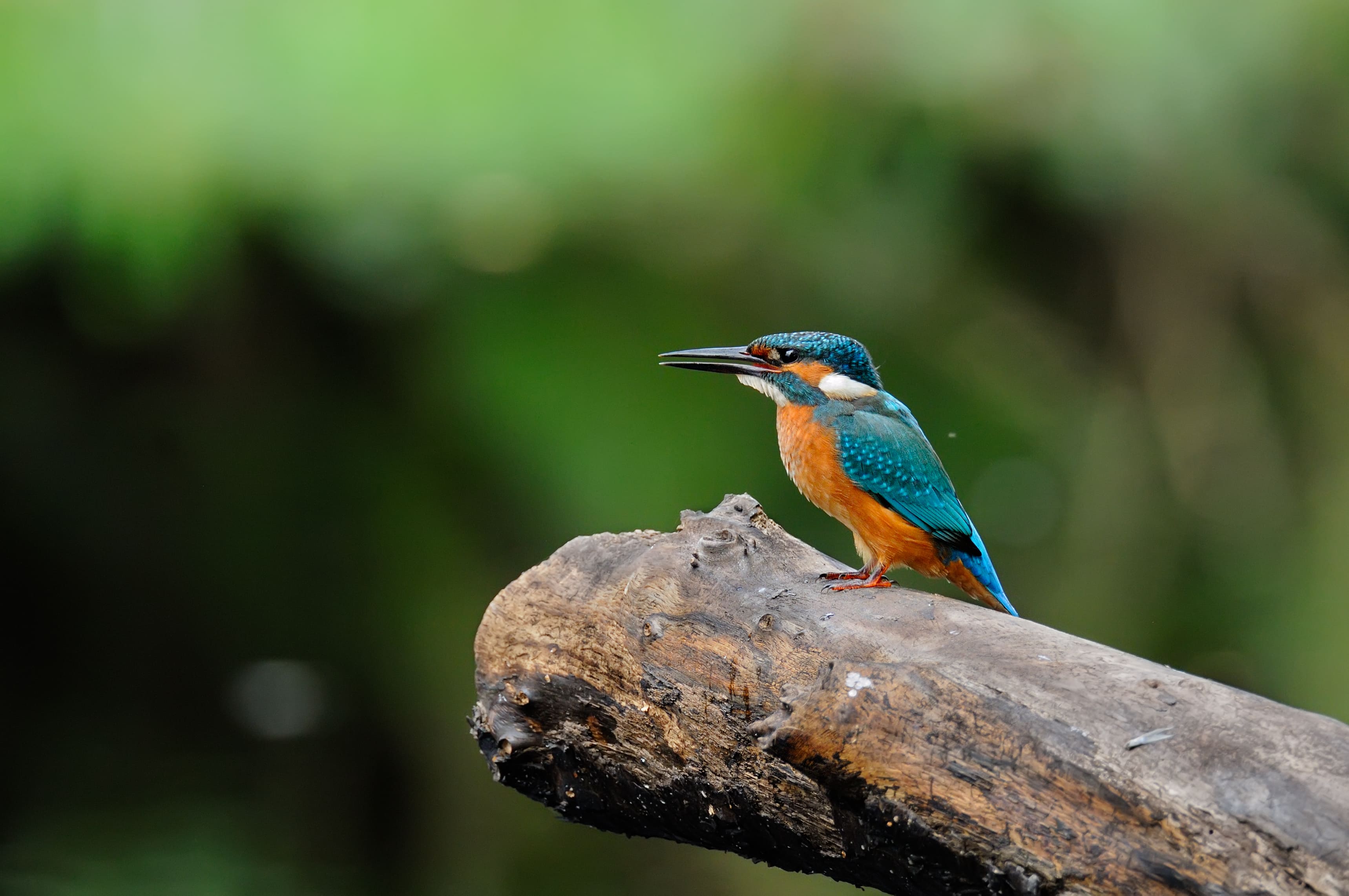
Разнообразие природных ландшафтов Березинского заповедника определяет исключительное богатство его растительного и животного мира. В заповедных лесах, на болотах и лугах произрастает более 800 видов высших (сосудистых) растений, 66 из которых внесены в Красную книгу (КК) Республики Беларусь. В заповеднике зарегистрировано 216 видов мхов (11 в КК), 565 ‒ грибов (11 в КК), 317 ‒ водорослей (4 в КК) и 261 вид лишайников (15 в КК). В их числе такие редкие растения, как гроздовник ромашколистный, пузырник судетский, росянка промежуточная, лосняк Лёзеля, мякотница однолистная, касатик сибирский, венерин башмачок настоящий, пушица стройная, альдрованда пузырчатая и многие другие. Вот только некоторые цифры, характеризующие биоразнообразие фауны: 58 видов зверей, 245 - птиц, 11 - амфибий, 6 - рептилий, 34 вида рыб, а также почти 6 тыс. видов беспозвоночных. 10 видов млекопитающих, около 60 видов птиц, 1 вид пресмыкающихся, 2 вида земноводных, 1 вид рыб, 41 вид беспозвоночных, обитающих в заповеднике, включено в Красную книгу Республики Беларусь. Из охраняемых насекомых у нас встречаются бабочки: голубоватая многоглазка и большая шашечница. В заповеднике отмечены единичные находки стерляди и болотной черепахи. Здесь гнездятся коростель, дупель, подорлик, выпь, филин; живет барсук, соня садовая и ночница прудовая.
.jpg) |
 |
.jpg) |
.jpg) |
Березинский заповедник – это одно из немногих мест в Европе, где на одной территории в диких условиях обитает так называемая «большая европейская пятёрка» крупных млекопитающих – лось, зубр, медведь, волк и рысь. Эти звери ведут скрытный образ жизни, их довольно сложно встретить в дикой природе.
Более подробную информацию Вы сможете получить на официальном сайте заповедника WWW.BEREZINSKY.BY.